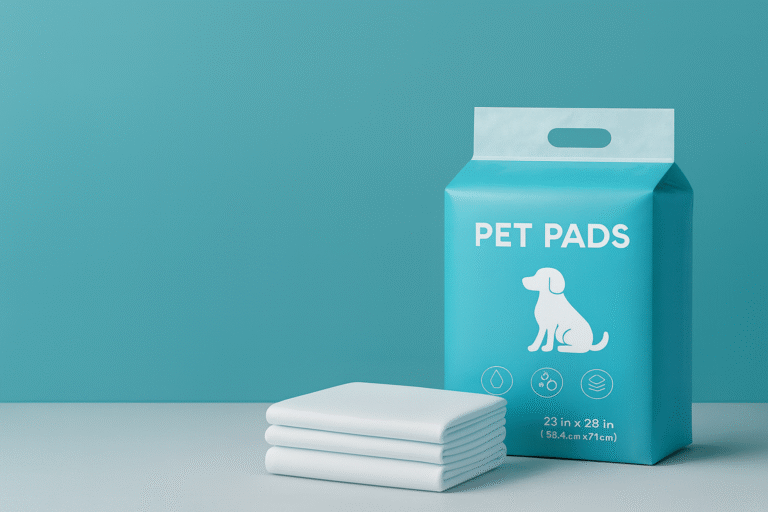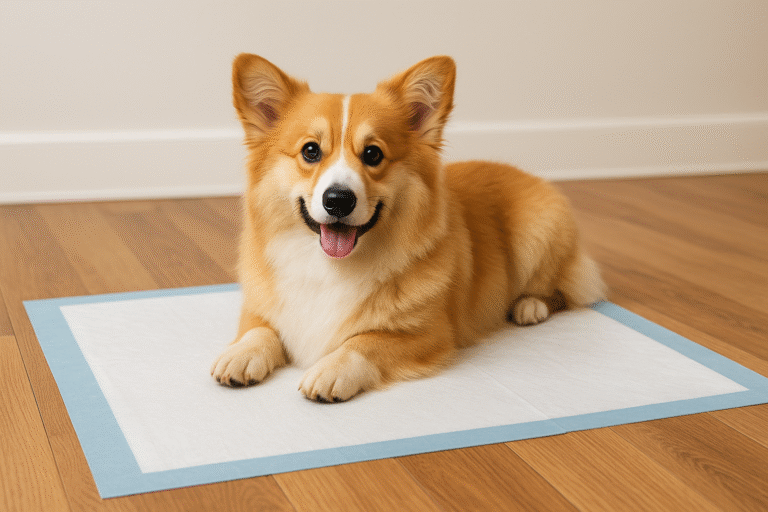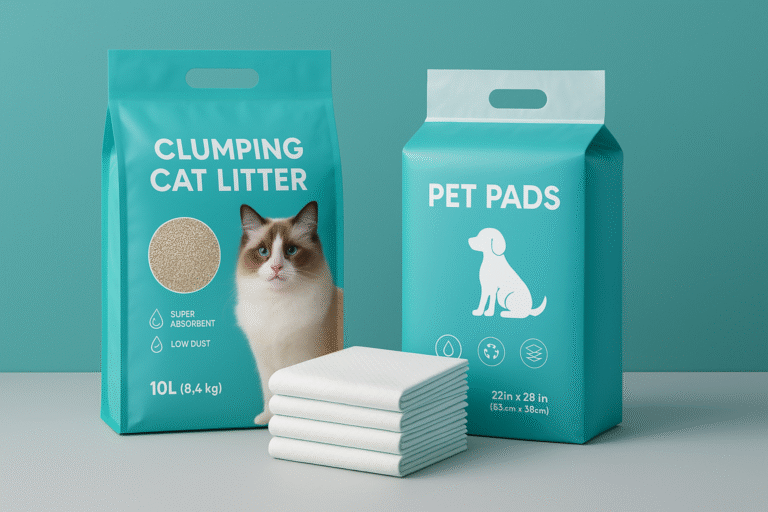
Pee pads have long been the go-to solution for indoor dog potty needs, but they’re far from the only option. Whether you’re concerned about the environmental impact of disposable pads, tired of the ongoing expense, or simply looking for something more effective, there are numerous alternatives worth considering. The reality is that disposable pads contribute significantly to landfill waste, with a single dog going through hundreds of pads per year. They also represent an ongoing expense that can easily reach $30-50 monthly for frequent users, and many owners find that standard pads don’t contain smell effectively, especially once they’ve been used multiple times.
Washable and Reusable Solutions
One of the most straightforward alternatives is switching to washable, reusable pee pads. These are made from multiple layers of absorbent, waterproof fabric that can be machine washed and reused hundreds of times. While the upfront cost is higher at $15-40 per pad, they’re significantly more cost-effective long-term and much better for the environment. They’re often more absorbent than disposable pads and stay in place better, though you’ll need to purchase at least three to four pads to rotate while others are in the laundry. Wash them separately from regular laundry with enzymatic detergent for best results. This option works particularly well for environmentally conscious owners and those looking for long-term indoor potty solutions for senior dogs with regular schedules.
Natural Grass Options
Real grass patches and sod boxes bring the outdoor experience indoors, using actual grass that either comes as disposable patches lasting two to four weeks or planter-style systems where grass grows continuously. This is the most natural option for dogs since it smells and feels like outdoor potty breaks, making it excellent for transitioning puppies to outdoor elimination. The grass naturally neutralizes urine, providing better odor control than traditional pads, and dogs instinctively understand this is the potty spot. However, these systems require regular replacement or maintenance, can be messy with dirt tracking, and take up more space than pads. Monthly costs for replacement patches typically run $20-40. Popular brands include DoggieLawn, Fresh Patch, and PetSafe Pet Loo. This solution is ideal for apartment dwellers without easy outdoor access and small breed dogs.
Artificial grass potty systems offer a similar concept without the maintenance demands. These synthetic grass mats placed over collection trays mimic real grass and typically represent a one-time purchase of $30-100. They’re easy to clean by simply rinsing with water, last for years without replacement, and feature drainage systems that prevent pooling. They’re realistic enough that most dogs accept them readily and can be used indoors or on balconies. The key to success with artificial grass is maintaining cleanliness—rinse thoroughly with water daily and use an enzymatic cleaner weekly to prevent odor buildup. These work particularly well for balcony or patio use and as permanent indoor solutions for owners wanting low maintenance options.
Alternative Absorbent Systems
Dog litter boxes represent an interesting departure from traditional pee pad thinking. Similar in concept to cat litter boxes but sized appropriately for dogs, these are filled with special dog-safe litter material such as paper pellets, wood pellets, or specialized dog litter. They provide excellent odor control and absorb both liquids and some solid waste, creating a relatively clean system once your dog is trained to use it. The challenge is that dogs don’t naturally use litter like cats do, so training is required. This system works especially well for small breeds under 20 pounds and provides superior odor control for apartment living. Avoid using clay cat litter, which can be harmful if ingested by dogs.
For those on a tight budget or facing emergency situations, newspapers and paper products offer a tried-and-true old-school method. Using layers of newspaper, paper towels, or butcher paper as an absorbent surface is extremely inexpensive or free, readily available, and biodegradable. However, it provides poor absorption compared to modern options, offers minimal odor control, and newspaper ink can transfer to floors and paws. Unprinted newsprint or brown packing paper works better than regular newspaper if you choose this route. While this makes a good temporary solution or emergency backup, it’s not ideal for long-term use.
Outdoor Access Solutions
For many dog owners, the simplest alternative to indoor pee pads is establishing reliable outdoor access. Doggy doors installed in exterior doors or walls allow dogs to access the yard independently, giving them freedom to eliminate on their own schedule and eliminating the need for any indoor potty solution entirely. Modern versions include security features and weatherproofing, and electronic options that only open for your pet’s microchip or collar sensor provide excellent security. This requires installation that can be expensive and only works if you have a secure yard, making it unsuitable for apartments or rentals. However, for homeowners with fenced yards, especially those with multiple pets or active dogs, this represents a long-term solution that can add value to your home.
If you have outdoor space but your dog is reluctant to go outside in bad weather, covered outdoor potty areas provide an excellent compromise. These designated outdoor spaces with shelter, artificial turf, or gravel give dogs a place to eliminate regardless of weather conditions. They clearly define the potty area, can be combined with a doggy door for independence, protect your lawn from urine spots, and are easy to clean. The initial setup requires some cost and effort, but for homeowners with dogs who dislike eliminating in rain or snow, this can be an ideal solution.
The most traditional approach is simply committing to a regular outdoor schedule—taking your dog outside consistently rather than using any indoor option. This is completely free, most natural for dogs, provides good exercise and bonding time, and establishes clear boundaries that outdoors equals potty time. The challenge is that it requires you to be home regularly, weather can be difficult, and it’s not feasible for extended work hours or for senior dogs with mobility issues. Puppies also can’t hold their bladder long enough initially, making this approach work best for owners with flexible schedules and healthy adult dogs.
High-Tech Innovations
For those willing to invest in technology, automatic indoor dog toilets represent the cutting edge of indoor potty solutions. These self-cleaning systems use synthetic grass over automatic flushing or waste collection mechanisms, requiring minimal maintenance while providing excellent odor control. Products like BrilliantPad use automatic roll systems to provide fresh surfaces, while systems like the Japanese Inubox offer sophisticated self-cleaning capabilities. These typically cost $100-300 or more and may require plumbing or drainage setup, but for high-rise apartment dwellers, owners with mobility issues, or multiple-dog households, the long-term investment can pay off significantly.
The most advanced option available is indoor hydroponic grass systems—sophisticated planters where real grass grows with automatic watering systems, creating a permanent indoor lawn. These provide the most natural option possible with real living grass that stays alive indefinitely, automated maintenance, and excellent odor control. They’re essentially an aesthetic addition to your home that happens to serve as your dog’s bathroom. The downside is the price tag of $200-500 or more, the requirement for electricity and water connections, and the considerable space they occupy. For dedicated apartment dwellers or those wanting the absolute most natural solution available, however, these systems deliver an unmatched experience.
Making Your Choice
The best alternative to pee pads depends entirely on your unique situation. Consider your living arrangement first—houses with yards naturally lend themselves to doggy doors or outdoor schedules, while apartments with balconies work well with artificial grass systems or real grass patches. High-rise apartments often require real grass patches or automatic toilet systems, while rental properties benefit from portable solutions like washable pads that won’t damage property or violate lease terms.
Your dog’s characteristics matter significantly. Smaller dogs do better with litter boxes and compact solutions, while larger dogs need bigger systems or outdoor access. Puppies benefit from grass-based solutions to learn proper outdoor elimination, while seniors need easy-access, low-maintenance options. Dogs with arthritis or mobility issues particularly need ground-level, indoor solutions that don’t require navigating stairs or difficult terrain.
Your lifestyle plays a crucial role too. Long work hours require either independent access through a doggy door or long-lasting indoor solutions. Consider whether you value environmental sustainability, which would point toward reusable and natural options, or if convenience is paramount, making automatic systems or outdoor access more appealing. Budget considerations include both initial investment and ongoing costs—washable pads or outdoor schedules are most cost-effective long-term, while automatic systems require significant upfront investment.
Transitioning Successfully
Switching from pee pads to an alternative requires patience and consistency. Introduce the new option gradually by placing it near where pads currently are, and use positive reinforcement by rewarding your dog immediately when they use the new system correctly. Maintain consistent feeding and potty schedules throughout the transition, and be patient—some dogs adapt in days while others need weeks. Never punish accidents; instead, focus on rewarding correct behavior. Consider transferring scent by placing a slightly used pad on the new system initially to encourage use and help your dog understand this is the new designated potty area.
The reality is that while disposable pee pads work, they represent just one approach among many viable alternatives. From eco-friendly washable pads to high-tech automatic systems, from real grass patches to traditional outdoor schedules, there’s an option that can better suit your needs, your budget, and your dog’s preferences. The best solution is ultimately the one that you’ll stick with consistently, that your dog will actually use, and that fits seamlessly into your daily routine. Moving away from disposable pads can save money, reduce environmental impact, and potentially make life easier for both you and your furry friend. Take the time to evaluate your options thoughtfully, and you’ll likely find that the perfect alternative has been available all along.