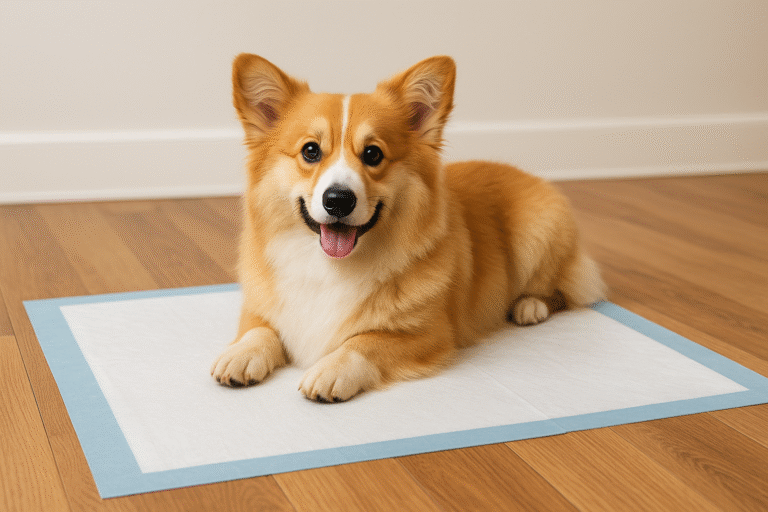
If you’re using pee pads for your dog—whether you have a puppy in training, a senior dog with mobility issues, or a small breed that needs indoor bathroom options—you’ve probably wondered: how often should these pads actually be changed? It’s a question that seems simple but has more nuance than you might expect.
Let’s dive into everything you need to know about keeping your dog’s pee pad situation fresh, clean, and effective.
The Basic Rule of Thumb
For most dogs, pee pads should be changed after 1-2 uses, or at minimum once daily. Even if the pad looks relatively clean, accumulated moisture and odor can discourage your dog from using it again.
Think of it this way: would you want to use a bathroom that hadn’t been cleaned in days? Your dog feels the same way. A fresh, clean pad isn’t just about hygiene—it’s about maintaining your dog’s willingness to use the designated potty area.
Why Frequent Changes Matter
Beyond the obvious cleanliness factor, there are several important reasons to stay on top of pee pad changes:
Odor control: Urine begins to smell strongly as it sits, and that odor can permeate your entire living space. What might not bother you immediately can become overwhelming to visitors (and let’s be honest, to you too after a while).
Training success: Dogs have an instinct to avoid soiling areas that are already heavily marked. A saturated, smelly pad may cause your dog to look for alternative spots—like your carpet or favorite rug.
Health monitoring: Regularly changing pads allows you to monitor your dog’s urinary habits. Changes in frequency, color, or smell can be early indicators of health issues like urinary tract infections or kidney problems.
Bacterial growth: Moisture creates an ideal environment for bacteria to thrive. Letting pads sit too long can create hygiene issues for both you and your pet.
Factors That Influence Change Frequency
Not all dogs and situations are created equal. Here’s what affects how often you’ll need to swap out those pads:
Dog Size
Small breeds like Chihuahuas or Yorkshire Terriers produce much less urine per visit than a Labrador or German Shepherd. A pad that lasts all day for a tiny dog might need changing after a single use from a large breed.
Age and Life Stage
Puppies are still developing bladder control and may urinate 6-8 times daily. During intensive house training phases, you might find yourself changing pads 3-4 times a day or even more.
Adult dogs with normal bladder function typically urinate 3-5 times daily, translating to 2-3 pad changes for most households.
Senior dogs often experience weakened bladder control or medical conditions that increase urination frequency. They may need fresh pads multiple times throughout the day and night.
Health Considerations
Certain medical conditions dramatically affect how often your dog needs to go. Dogs with diabetes, Cushing’s disease, kidney issues, or urinary tract infections may urinate far more frequently than healthy dogs. If you notice your dog suddenly using pads much more often, consult your veterinarian.
Pad Quality
Not all pee pads are created equal. Budget pads from discount stores often have minimal absorption and may start leaking or smelling after just one use. Premium pads with multiple layers, odor-neutralizing technology, and better absorption can handle 2-3 uses from a small to medium dog.
Consider it an investment: higher-quality pads might cost more upfront but could actually save money if they last longer and prevent carpet-cleaning disasters.
Your Schedule
If you’re home all day, you can change pads as soon as they’re used. If you work long hours, you’ll need to plan accordingly—either by setting up multiple pad stations or using larger, more absorbent pads.
Recommended Change Schedule by Situation
For Puppies in Training
Change the pad after each use or every 2-3 hours during active training periods. Fresh pads reinforce that this is the correct spot and help establish good habits.
For Adult Dogs (Routine Use)
Morning and evening changes work for most households, with a midday change if you’re home or if your dog is a frequent user.
For Senior or Incontinent Dogs
Plan for 3-4 changes daily, adjusting based on your individual dog’s needs. Overnight pads may need changing first thing in the morning.
For Extended Absences
If you’re away for 8+ hours, set up multiple pads in different areas or use extra-large, ultra-absorbent pads designed for longer wear. Consider a pad holder or tray system to contain any overflow.
Signs It’s Definitely Time to Change
Even if you’re following a schedule, watch for these telltale signs:
- The pad is visibly saturated or has liquid pooling on top
- You can smell urine from several feet away
- Your dog sniffs the pad but walks away without using it
- The pad feels damp or wet to the touch
- There are tracks or paw prints leading away from the pad
- Your dog starts having accidents in other areas
Best Practices for Pee Pad Maintenance
Don’t Wait for Complete Saturation
By the time a pad is fully soaked, it’s been overdue for a change. Stay ahead of the game by changing pads while they still have some absorption capacity.
Keep a Consistent Location
Dogs are creatures of habit. Keeping the pad in the same spot helps reinforce the behavior, but make sure that spot is always clean and fresh.
Use Proper Disposal
Roll up used pads tightly to contain odor and moisture, and dispose of them in a sealed bag. This prevents smell from lingering in your trash can.
Consider a Pad Holder
Pee pad holders or trays prevent shifting, contain overflow, and make the whole system more reliable—especially for enthusiastic users or dogs who like to scratch before going.
Layer for Extended Times
When you know you’ll be gone longer than usual, try placing two pads overlapped in the same spot. Your dog will use the top one, and if it becomes saturated, the second pad provides backup protection.
Clean the Floor Underneath
Even the best pads can occasionally leak. Periodically clean the floor beneath the pad area with an enzymatic cleaner designed for pet urine to prevent odor buildup and staining.
When to Reevaluate Your Approach
If you find yourself changing pads constantly—like 5+ times a day for an adult dog—it might be time to reassess:
- Medical check: Excessive urination can indicate health problems requiring veterinary attention.
- Pad size: You might need larger pads or a different absorption level.
- Training issues: Your dog might not be fully pad-trained, or behavioral factors could be at play.
- Alternative solutions: Consider transitioning to outdoor potty breaks, a dog door, or a real-grass indoor potty system.
The Bottom Line
While there’s no one-size-fits-all answer, the golden rule remains: change pee pads frequently enough to keep them fresh, odor-free, and appealing for your dog to use. For most situations, this means at least once or twice daily, with adjustments based on your dog’s size, age, health, and individual habits.
Your nose and your dog’s behavior are your best guides. If it smells or your dog is avoiding it, it’s time for a fresh pad. When in doubt, change it out—your dog (and your home) will thank you.
Remember, maintaining a clean pee pad situation isn’t just about convenience. It’s about respecting your dog’s natural instincts, supporting successful training, and creating a hygienic environment for everyone in the household. A little diligence with pee pad maintenance goes a long way toward a happier home for both you and your furry friend.